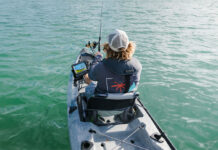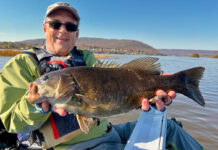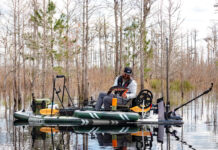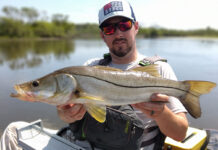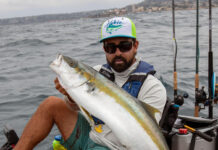
Ancient Chinese philosopher Laozi says the journey of a thousand miles begins with one step. For beginner kayak anglers, the journey begins with the right gear and a few basic skills. Kayak Angler’s Beginner’s Guide to Kayak Fishing is full of expert advice from experienced anglers who started their journey from scratch. Believe it or not, our pros admit they began kayak fishing with the wrong boat and too much gear. Through years of trial and error, the best guides, outfitters, tournament competitors and instructors learned hard lessons the hard way. Start slow and build skills. Buy quality gear. Keep tackle to a minimum. Tie down everything. Safety first. And enjoy the process. With our guide to getting into kayak fishing, new anglers start their journey a few steps ahead.
Think Safety: Minimize the Risk to Maximize the Fun
Kayak fishing isn’t as dangerous as it looks. Modern fishing kayaks are seaworthy and stable with reliable pedal and motor drives to keep anglers safe. Nonetheless, venturing out onto the wild water loaded with expensive gear searching for glory is risky. Great Lakes kayak guide Chuck Earls has the mindset: “How can I prepare for the absolute worst-case scenario?” Earls regularly takes inexperienced anglers miles into open water. Over the years, he’s developed a tool kit to cover everything from a broken pedal drive to sea sickness.
Life vest
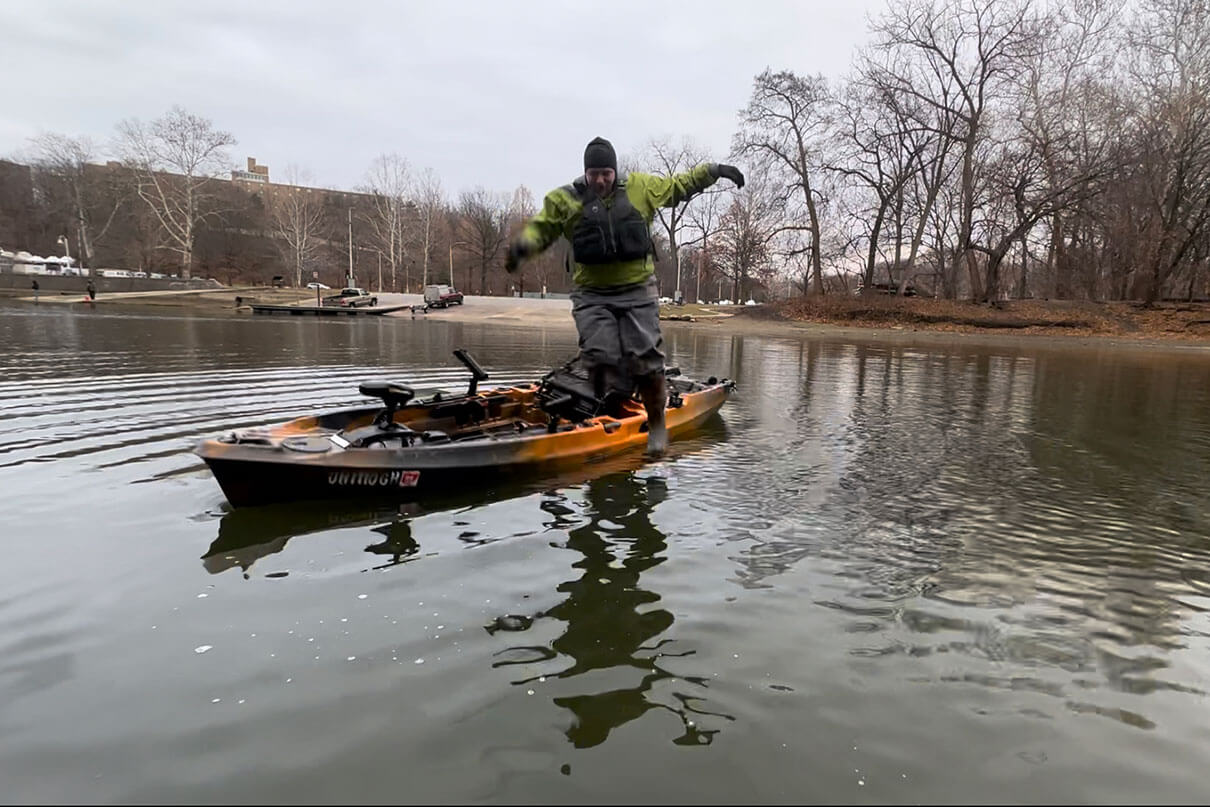
According to the Coast Guard, 85 percent of recreational boating drowning victims were not wearing a life vest. “The law says kayakers need a life vest on board, I say wear it all the time,” Earls insists.
Modern life vests are light, cool and comfortable, leaving anglers no excuse for not wearing a personal flotation device (PFD). A foam vest offers reliable inherent flotation and space to store small gear and safety items. Look for a foam vest with flotation high on the back to accommodate the higher seat back and mesh sides and back to improve circulation.
Earls carries a long list of safety gear in his vest including a knife, whistle, airhorn, personal locator beacon and VHF radio. “If I get separated from my kayak I want to have my safety equipment with me,” he says.
Another option is an inflatable life vest. An inflatable uses a rubber bladder filled with air to provide flotation. When an inflatable vest isn’t in use, the bladder is folded out of the way. To activate the inflatable vest, pull a cord and a CO2 canister fills the bladder in seconds. Some inflatable vests use a mechanism that automatically inflates the vest when it encounters water.
Earls prefers a foam life vest to carry safety and fishing gear. His clients wear a foam vest for reliable flotation if they end up in the water.
Lights
The Coast Guard requires paddle anglers carry a white safety light. Anglers who expect to fish in low light, dark or fog use a white navigation light mounted on a pole attached to the stern of the kayak.
Motorized kayaks fall under the Coast Guard requirements for motorboats under 40 feet long with a green and red navigation light in the bow and the white anchor light in the stern.
In addition to required lights, Earls recommends anglers carry a safety strobe light on the PFD. If the angler ends up in the water after dark, the safety strobe signals rescuers up to a mile away.
Sound device
One of the most underrated safety items is the sound device. A simple pealess whistle alerts nearby boaters of an emergency and signals rescuers to the victim’s location. Earls wears his safety whistle on his life vest. “If a motorboater or Jet Skier is heading in my direction, I blow the whistle to draw attention to my position,” Earls says.
Required safety gear is just the beginning of the protocol to prepare Earls for a worst-case scenario.
VHF Radio
A handheld two-way radio is more than safety equipment. “I can maintain communication with other anglers,” he says. A VHF radio also provides updated weather reports and constant contact with the Coast Guard and rescue services on channel 16. Some VHF radios also offer a distress signal location beacon.
Personal Locator Beacon
A PLB uses satellite connection to text friends at home, message other PLB users, track position and alert emergency services. Earls explains, “A VHF’s range is limited to line of sight. The PLB connects all over the world.” The pocket-size device also includes weather information and a digital compass. The base model provides instant notification of rescuers in case of an emergency. Add a subscription to unlock the PLB’s best features.
River Rescue Knife
Earls attaches a rescue knife to the front of his PFD. The rescue knife has a low-profile sheath that clips to his life vest. “If I get tangled in fishing line or wrapped up in a tether, I cut myself free,” he explains. The short, sturdy blade with a blunt tip has a razor-sharp edge to cut through line without cutting the paddler.
Earls outfits all of his kayaks with a chartreuse pendant to alert boaters of his location. The flag is visible above the waves and constantly moving to attract attention.
Maintenance
“Maintenance is a safety protocol,” Earls says. Inspecting and maintaining the kayak and gear is a full-time job. A mechanical breakdown could lead to other emergency situations. In addition to keeping the kayak shipshape on shore, Earls carries a spare propeller, a sheer pin, spare nuts and basic tools on the water. He follows the adage, “Better to have it and not need it than need it and not have it.” –Ric Burnley
Paddle Skills: Learn to Maneuver the Kayak with These Basic Strokes
Think of the kayak paddle as an extension of the body; the shaft is the arm and paddle blade the hand. Maneuvering the boat is an extension of motions employed for swimming. There are four basic kayak strokes to move the kayak in any direction.
Forward Stroke
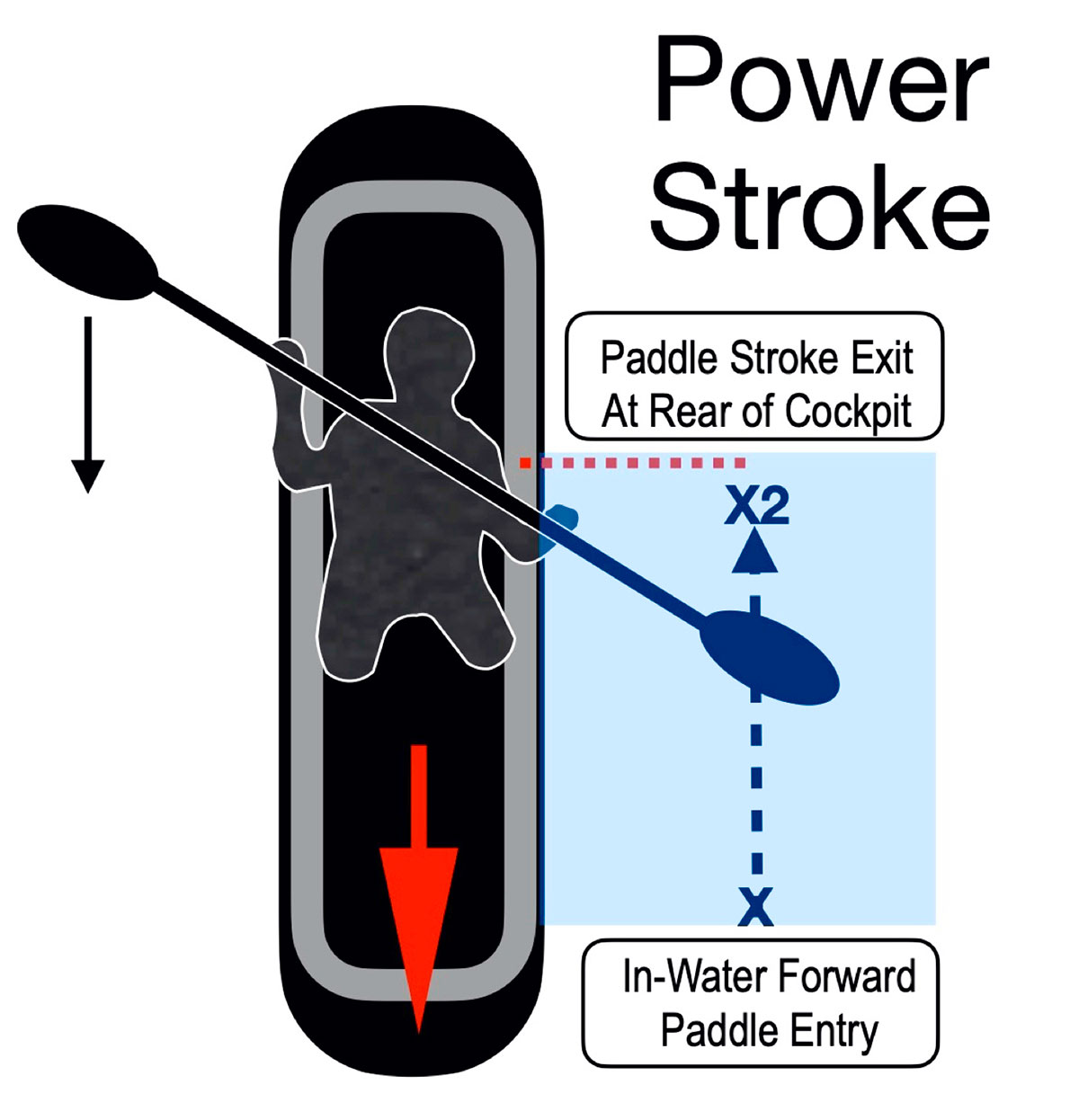
The forward stroke is the most basic stroke to propel the kayak forward. Start by sitting upright and keeping hands as low as possible.
Insert the forward blade in the water ahead of the cockpit and pull back parallel to the hull, powering the kayak forward. The double-bladed paddle shifts the stroke from one side of the kayak to the other side to keep the boat moving straight.
The key to an efficient forward stroke is drawing the paddle back as far as the aft end of the cockpit. Stroke any farther back and the pull becomes a lifting stroke with no energy going toward forward motion.
Reverse the kayak by placing the paddle in the water behind the cockpit and pulling forward. To throw on the brakes, plant the paddle in the water and hold it in place.
Keep the blade vertical and close to the kayak to produce more power. Angle the blade and move it away from the kayak to maintain a cruising stroke.
Sweep Stroke
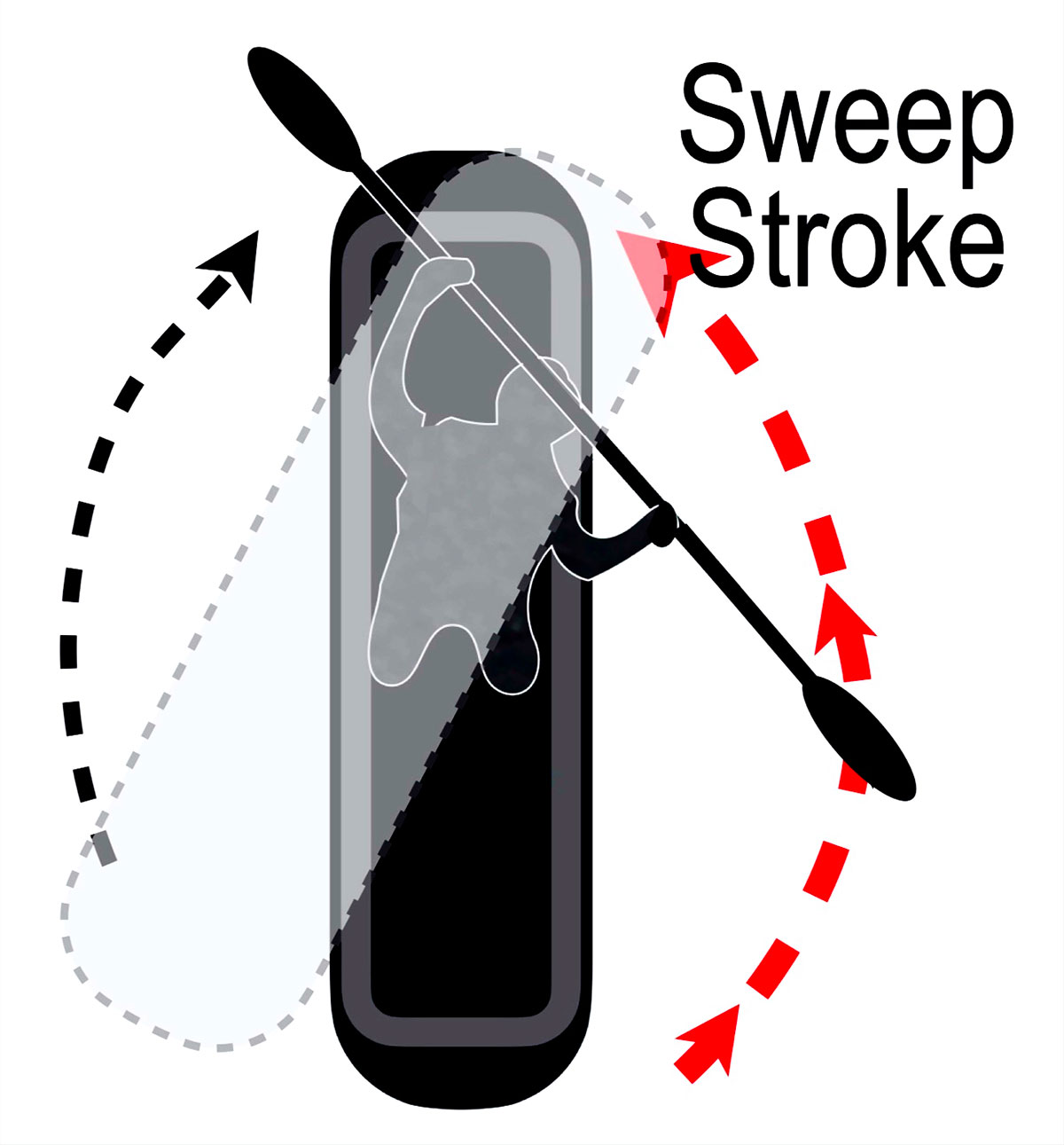
This stroke makes a broad, arcing motion, sweeping the paddle out from the bow and swinging it in a wide arc toward the stern. The motion causes the boat to pivot at the cockpit and turns the boat in the direction on the opposite side of the stroke. A reverse sweep stroke starts at the back of the cockpit. The sweep stroke is a good way to adjust the boat’s orientation for the best casting position.
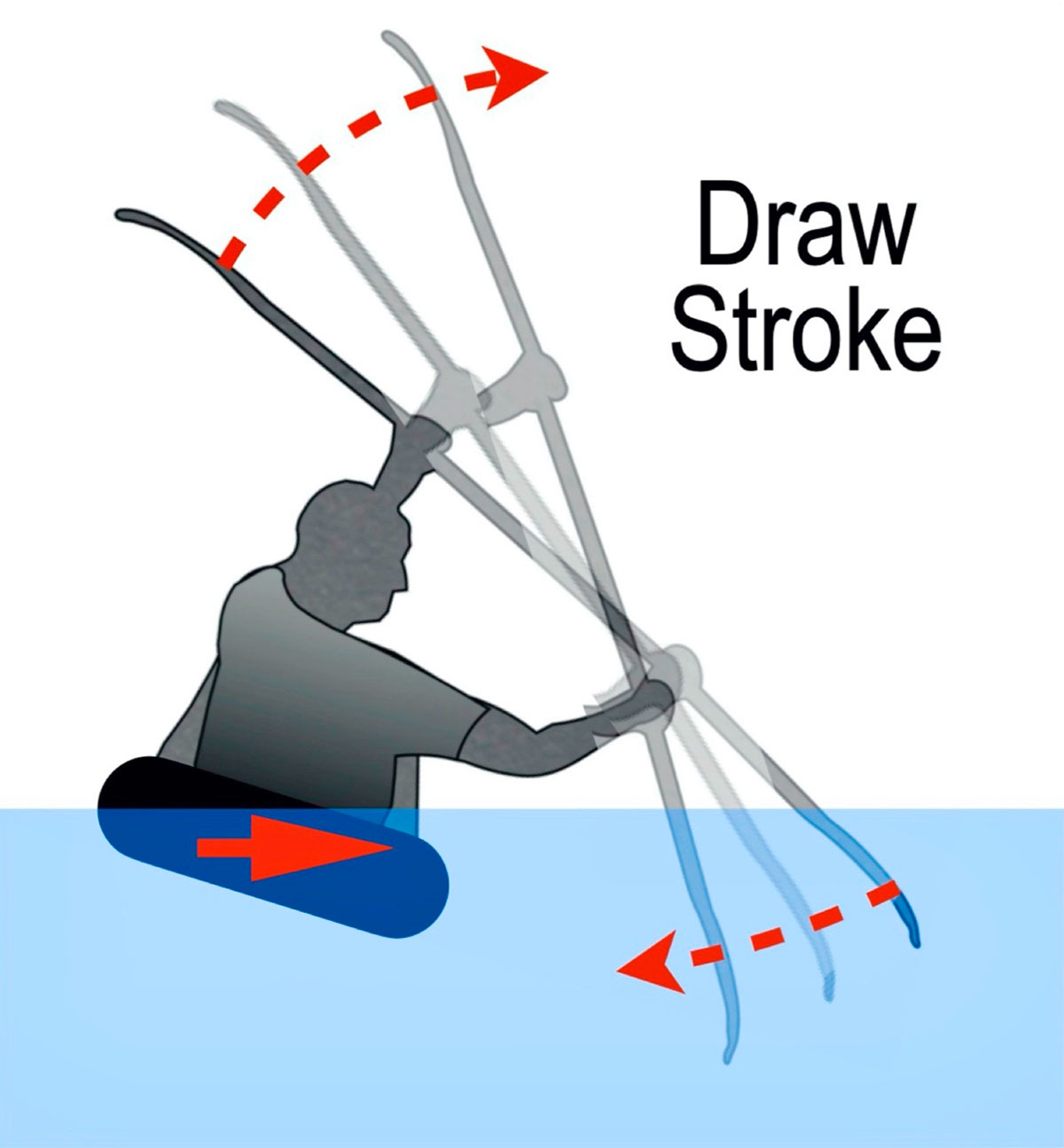
Draw or Pry Stroke
The draw or pry stroke either pulls or pushes the boat sideways. These strokes are basically a forward stroke turned sideways. Reach the paddle blade out at a right angle to the boat and use the paddle to draw or pull the boat sideways across the water. The pry stroke reverses the steps by placing the paddle vertical to the water surface near the hull and pushing away to move the boat through the water sideways. This maneuver works well in tight situations to make a slight adjustment to the boat’s position.
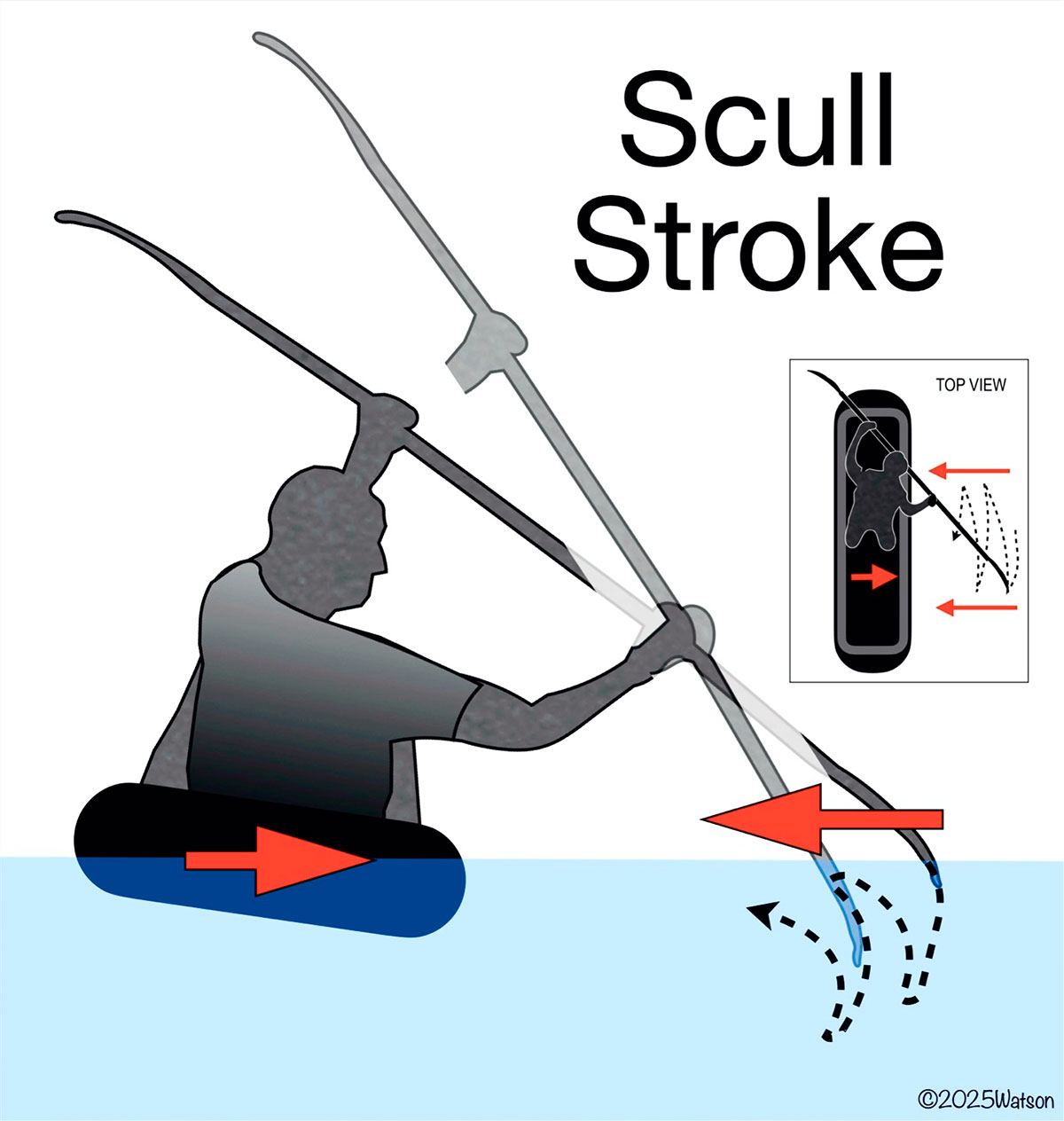
Sculling Stroke
This stroke combines the sweep and draw strokes to quickly move the kayak sideways. Use a motion similar to spreading frosting across the top of a cake. The sculling stroke starts with the paddle blade parallel to the water and at a right angle to the kayak.
Pull the blade toward the kayak with a side-by-side, back-and-forth sweeping motion slicing through the water. When the blade reaches the end of the stroke, turn the blade perpendicular to the boat and push it away to start the next sculling stroke. Use the sculling stroke to pull alongside a dock or raft up with another kayaker. –Tom Watson
Jump into safety with both feet. | Feature photo: Chuck Earls