The joy of carefree boat ownership is one of kayak fishing’s most powerful draws. Molded out of plastic and stainless hardware, they are built to survive. A fishing kayak doesn’t need much care, but keeping your rig ready to fish does require light annual maintenance. Kayak Angler dropped in on Brian Kidd, manager at Delaware Paddlesports in Dewey Beach, for some tips on taking care of a kayak.
Kayak Care and Maintenance

Plastic Care

Removing loose dirt, salt and slime keeps the boat looking and smelling better. Kidd recommends rinsing with freshwater after each use and applying 303 Aerospace UV protectant to the plastic. Direct sunlight will break down the plastic molecules. Spray and buff the boat with UV protectant to keep the plastic from fading and turning brittle.

Wash, rinse, repeat. |  Photo: Bogdan Korostetskyi
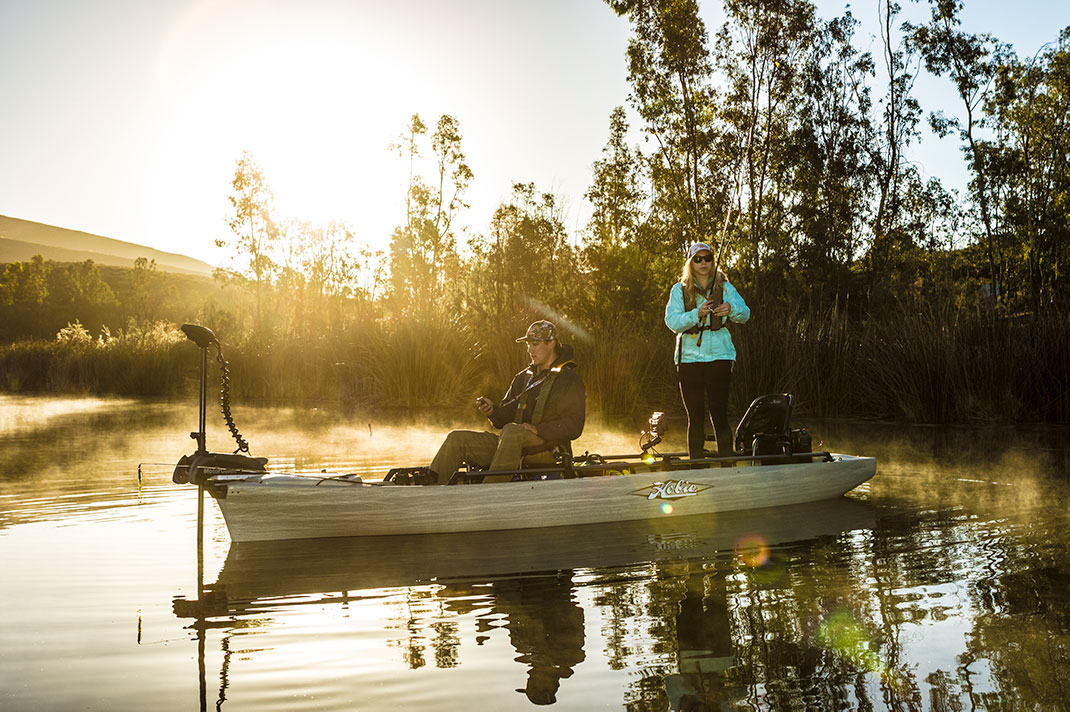
Wash, rinse, repeat to keep your boat in tip-top shape. | Feature photo: Bogdan Korostetskyi

Hatches

Straps, bungees and latches should be inspected and replaced. Coat rubber seals with silicone grease.

Pedal Systems

Pedal systems are a boat’s Achilles heel. Moving parts and exposed mechanisms make the pedals and propulsion prone to wear and tear. Kidd tells customers to thoroughly rinse and dry the pedal unit. Shake out any remaining water and blow out grit with compressed air. Keep the grease topped off and fresh, but only apply grease or oil as instructed by the manufacturer. Inspect and replace the prop pin and always carry an extra pin. Kidd’s strongest advice: keep interaction with sand to a minimum. Replace worn parts before they break and leave you high and dry.

Seats

To avoid fading and cracking, remove the seat and store it inside. After each use, rinse with fresh water. Scrub with mild soap and a brush to remove heavy soil and stains. The seat can also be treated with 303 UV Protectant. Inspect straps and bungees for rot and wear.

angler inspects the seat on his fishing kayak as part of his maintenance routine
Inspect the seat on your fishing kayak for signs of wear and tear. | Photo: Courtesy of Wilderness Systems

Electronics

Lightly coat electrical connectors with dialectric grease to reduce corrosion. Replace worn or frayed wires and connectors. Take apart mounting brackets and clean the moving parts.

[ Kayak Angler Buyer’s Guide: See all electronics ]

Storage Solutions

Each manufacturer has storage recommendations. Kidd says to check the owner’s manual for best practices. As a general practice, it’s best to store the boat on its side or standing on its stern. Avoid storing the boat on the keel with inadequate support, which could cause the plastic to warp. To further protect the plastic from the elements, wrap the kayak in a tarp. Always store the kayak out of direct sunlight. In the off season, be sure water does not collect and freeze. Treat your boat like your first car, baby it. The final step is to give your trusty kayak a name.
This article was first published in Kayak Angler Issue 45. Subscribe to Kayak Angler and get the magazine delivered to your front door. Download the Kayak Angler Magazine+ app to seamlessly glide between the digital archives, the latest articles and videos.


Wash, rinse, repeat to keep your boat in tip-top shape. | Feature photo: Bogdan Korostetskyi
 

Previous articleScariest Wildlife Encounters: Sharks
Next articleWhere Not To Go Kayak Fishing
Kayak Angler editor Ric Burnley has been kayak fishing since the dawn of the sport. In 2007, Burnley wrote The Complete Kayak Fisherman, with chapters on how-to make a PVC rod holder and glue a fish finder transducer to the hull. In 2013, he landed his dream job as editor of Kayak Angler magazine. Burnley is a regular contributor to Salt Water Sportsman, Sport Fishing, Outdoor Life, In the Bite and other print and online publications. Burnley lives in Virginia Beach with his wife, adult daughter, daughter’s boyfriend and daughter’s two cats. Experience In 2004, Ric Burnley stole his first milk crate from behind a 7-Eleven and fashioned it into a gear crate for his Ocean Kayak Prowler 15. Many years and many milk crates later, Burnley has witnessed the rise of kayak fishing from a bastardized fringe element to a legitimate industry with millions of devotees. The journey to becoming an angler started early in Burnley’s life. His father, Eric Burnley, is a renowned outdoor writer and former fishing guide, so the boy grew up in the cockpit of a charter boat and in the pages of national magazines. After college, Burnley lost easy access to his father’s boat, but not his passion for fishing. Once he had exhausted the limits of land-based angling, Burnley decided to try out a new thing called kayak fishing. About the same time, Burnley was looking for extra work to pay for his expensive addiction. His father, editor of the Mid-Atlantic Fisherman Magazine, offered him freelance assignments for the weekly publication. That led to a position as regional editor at Salt Water Sportsman, publication of The Complete Kayak Fisherman and editorship of Kayak Angler. Meanwhile, Burnley and his partner-in-crime, “Kayak Kevin” Whitley were exploring the boundaries of kayak fishing. With the bountiful Chesapeake Bay and Atlantic Ocean as their playground, the two anglers were the first to target big red drum, cobia, trophy striped bass, monster black drum, sheepshead and many other species. Once inshore species were exhausted, Burnley loaded his kayak onto motorboats and fished for bluefin tuna, blackfin tuna, king mackerel and amberjack. All the while, Burnley shared his experiences and knowledge with anglers through print, photos, video, radio, seminars and online. Almost 20 years later, Burnley continues to fish obsessively and share the stories. His recent projects for Kayak Angler cover the latest trends in forward-facing sonar and remote-controlled electric motors. Over the past two decades, kayak fishing and Ric Burnley have come a long way from PVC rod holders and stolen milkcrates. Education ● Radford University: BA English; Virginia Teacher’s License. Highlights ● Other Interests: Mountain biking, traveling, hiking, surfing and skateboarding ● Day Job: High School English teacher at an alternative school for at-risk students Fun Fact Ric’s name is a contraction of Eric. Ric is named after his father, Eric Sr. To differentiate between the two Erics, Mrs. Burnley removed her son’s E. To this day, she writes the boy’s name ‘Ric, with an apostrophe replacing the E.

Leave a Reply