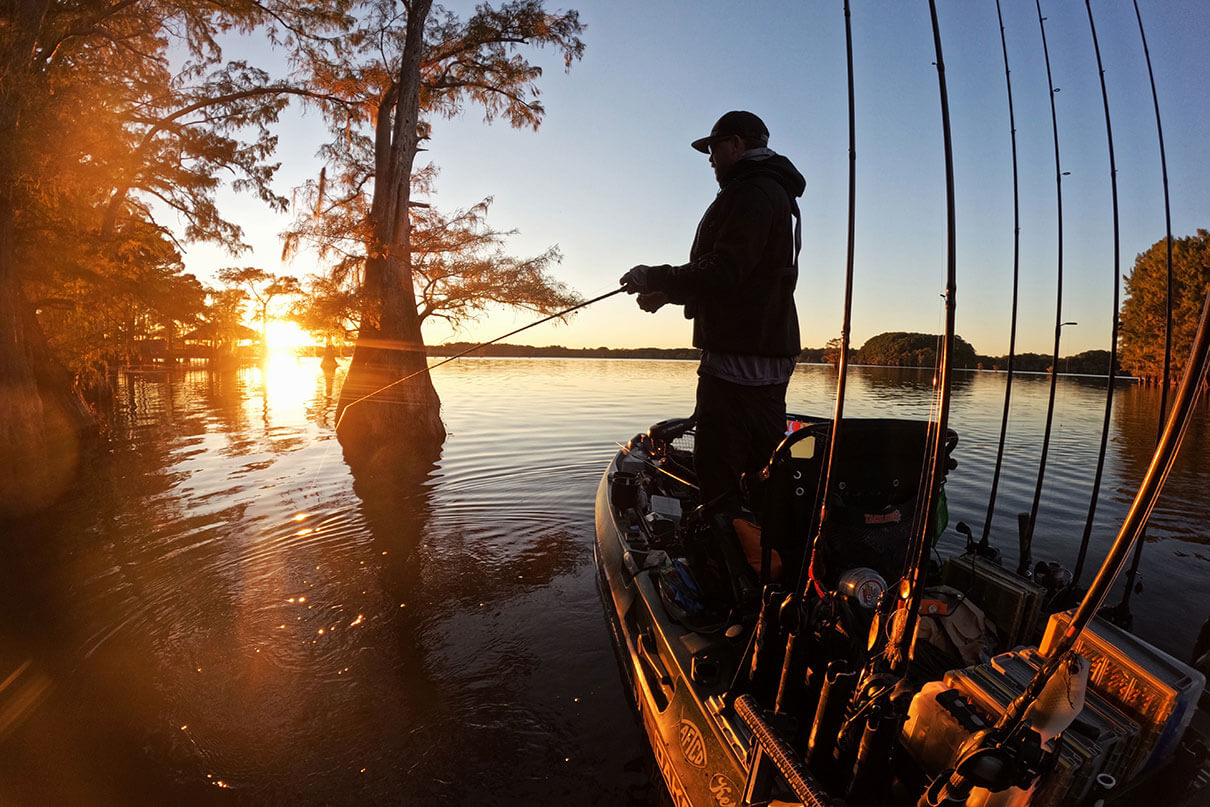
When Bart Swab went from recreational angler to kayak fishing guide, he had to take his fishing to the next level. “When I was fishing for fun, I could fish familiar places and use the same tactics,” he recalls. When he started guiding, he had to change his game plan. “Putting people on fish day after day improved my learning curve and solidified advice I’d had from friends and other guides,” he says.

How to Break Down Your Favorite Fishing Spot

Location, Location, Location

As a pro-guide based in St. Augustine, Swab knows local waters like the back of his hand. “To take my fishing to the next level, I focus my attention on one area,” he says. After years exploring the surrounding area, he has found the best places to launch. “I know where to get away from other anglers,” he says.

Focusing on one location allows him to observe the effect water and weather conditions have on the fishing. “I figure out what, why and how the fish in the area feed during a year’s cycle,” he says. The lessons he learns produce fish year after year and hold true on other bodies of water.
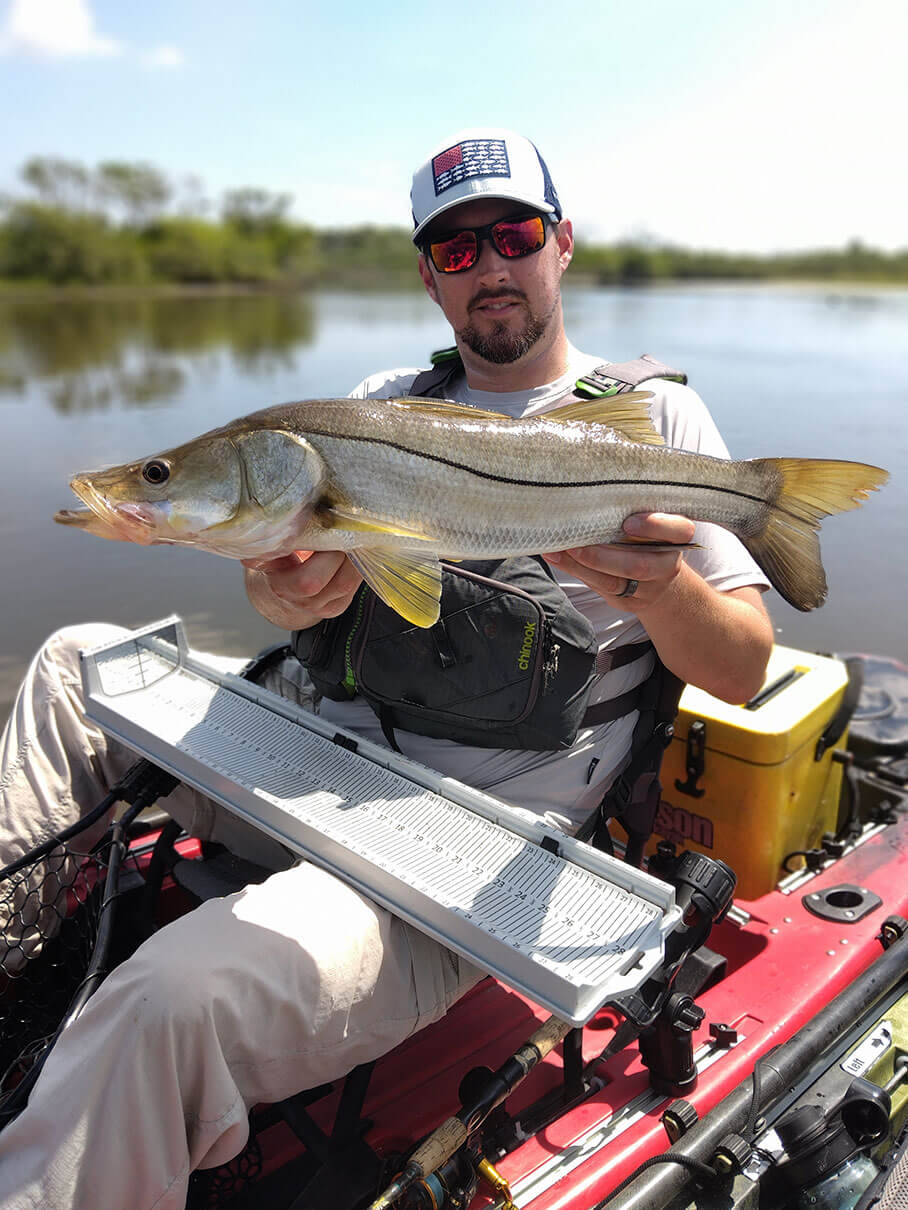
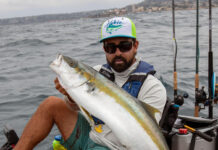
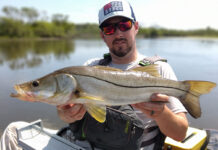
Bart Swab holds up a large snook he caught by kayak
To catch big fish, the little things count. | Feature photo: Bart Swab

Returning to the same area over and over allows Swab to network with other local anglers. “Through friendly conversation, I learn more about my favorite area,” he says. Swab shares a story of a conversation that changed how he uses a MirrOlure 17MR. “I used to employ different twitches as I retrieved the lure but another angler told me to try a steady retrieve,” he remembers. The change produced more bites and Swab reconsidered how he uses the lure.

Lighten Up

Swab says the number one way to produce more fish is lighter line and leader. “Getting the fish to bite is the hardest part,” he points out. Thinner line and leader is the best way to increase the number of bites.

Lighter fishing line allows Swab to cast farther. “If I cast 30 feet with 20-pound test, 10-pound test might allow me to cast 40 to 50 feet,” he explains. Increased casting distance not only reduces the chance of spooking a wary fish, but it also produces a longer retrieve to cover more water.

The ultimate test is downsizing his leader material. Heavy fishing pressure and crystal clear water make fish wise to lures and baits. “I drop my leader from 20-pound fluorocarbon to 10-pound and I see more bites,” he says. The lighter leader is more difficult for fish to see and improves his lures’ action. “I may lose a few big fish, but I get more bites,” he says.

Lose Confidence

“This is hard: I take my five favorite confidence lures and put them away for a year,” Swab says. Shelving the best lures in his arsenal forces Swab to try new lures and tactics. “I found new lures that work even better and expand my understanding of my favorite lures,” Swab says.

For example, a Heddon Zara Spook is one of the most popular topwater lures in the world. “A few years ago, I decided to put down the Spook and try other topwater lures,” Swab says. He stumbled through other walk-the-dog lures until he tried the A Band Of Anglers Xorus Patchinko. “The Patchinko has proven an essential lure when I target snook,” Swab says.

Making the switch away from a favorite lure isn’t easy. Self discipline forces him to experiment with other lures and tactics. “I don’t have a choice but to adapt my fishing,” he explains. He says the experiment allowed him to recognize new opportunities to use a topwater lure and taught him when his confidence lure works best.
Cover of Kayak Angler Magazine Issue 56This article was first published in Issue 56 of Kayak Angler Magazine. Subscribe to Kayak Angler Magazine’s print and digital editions, or browse the archives.


To catch big fish, the little things count. | Feature photo: Bart Swab
 

Previous articleStickbaits For Yellowtail: Learn How Now
Kayak Angler editor Ric Burnley has been kayak fishing since the dawn of the sport. In 2007, Burnley wrote The Complete Kayak Fisherman, with chapters on how-to make a PVC rod holder and glue a fish finder transducer to the hull. In 2013, he landed his dream job as editor of Kayak Angler magazine. Burnley is a regular contributor to Salt Water Sportsman, Sport Fishing, Outdoor Life, In the Bite and other print and online publications. Burnley lives in Virginia Beach with his wife, adult daughter, daughter’s boyfriend and daughter’s two cats. Experience In 2004, Ric Burnley stole his first milk crate from behind a 7-Eleven and fashioned it into a gear crate for his Ocean Kayak Prowler 15. Many years and many milk crates later, Burnley has witnessed the rise of kayak fishing from a bastardized fringe element to a legitimate industry with millions of devotees. The journey to becoming an angler started early in Burnley’s life. His father, Eric Burnley, is a renowned outdoor writer and former fishing guide, so the boy grew up in the cockpit of a charter boat and in the pages of national magazines. After college, Burnley lost easy access to his father’s boat, but not his passion for fishing. Once he had exhausted the limits of land-based angling, Burnley decided to try out a new thing called kayak fishing. About the same time, Burnley was looking for extra work to pay for his expensive addiction. His father, editor of the Mid-Atlantic Fisherman Magazine, offered him freelance assignments for the weekly publication. That led to a position as regional editor at Salt Water Sportsman, publication of The Complete Kayak Fisherman and editorship of Kayak Angler. Meanwhile, Burnley and his partner-in-crime, “Kayak Kevin” Whitley were exploring the boundaries of kayak fishing. With the bountiful Chesapeake Bay and Atlantic Ocean as their playground, the two anglers were the first to target big red drum, cobia, trophy striped bass, monster black drum, sheepshead and many other species. Once inshore species were exhausted, Burnley loaded his kayak onto motorboats and fished for bluefin tuna, blackfin tuna, king mackerel and amberjack. All the while, Burnley shared his experiences and knowledge with anglers through print, photos, video, radio, seminars and online. Almost 20 years later, Burnley continues to fish obsessively and share the stories. His recent projects for Kayak Angler cover the latest trends in forward-facing sonar and remote-controlled electric motors. Over the past two decades, kayak fishing and Ric Burnley have come a long way from PVC rod holders and stolen milkcrates. Education ● Radford University: BA English; Virginia Teacher’s License. Highlights ● Other Interests: Mountain biking, traveling, hiking, surfing and skateboarding ● Day Job: High School English teacher at an alternative school for at-risk students Fun Fact Ric’s name is a contraction of Eric. Ric is named after his father, Eric Sr. To differentiate between the two Erics, Mrs. Burnley removed her son’s E. To this day, she writes the boy’s name ‘Ric, with an apostrophe replacing the E.

Leave a Reply