
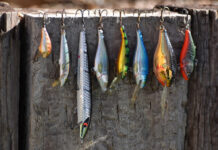
Some people say fishing is nothing more than throwing money into the water. Launching an expensive lure into a tree or snagging a fancy rig in the rocks is like chucking your wallet into the sea. So, protecting your fishing lures from rust and corrosion is the best way to keep money in your pocket.
Rusty Tackle Can Cost You
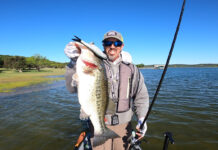
For pro guide Eric McDonald, keeping his gear free from rust is good business. “I have lots of rusty tackle,” the Florida-based guide admits. Not only does rusty tackle cost money, it can cost a trophy. “I was trolling an old lure when I hooked a monster snook,” McDonald remembers. As the big linesider jumped and thrashed, the rusty lure broke free. “Since then, I take care of my lures.”
Recent advancements in tackle storage technology make McDonald’s job easier. Tackle box manufacturers have figured out how to use science to prevent rust. Chris Russell, marketing manager at Plano Molding, explains, “Our Rustrictor tackle system is based on the proven chemical process called, Vapor Corrosion Inhibitor (VCI).”
Plano uses a special plastic emitting a chemical vapor to coat metal surfaces and prevent moisture from encouraging electrolysis and rust. “We infuse VCI directly into our Stowaway boxes during the manufacturing process,” Russell says. The Rustrictor boxes offer 360 direct protection. He adds VCI is odorless, doesn’t create a film or residue and won’t harm the lure.
[ Kayak Angler Buyer’s Guide: See the Plano Rustrictor Series tackle box ]
Lure Maintenance is a Must
To get the most out of VCI, Russell recommends anglers still follow lure maintenance protocols. “Rinse with fresh water and dry lures before storing them,” he starts. He also suggests drying lure boxes, “water in the box will prevent VCI from contacting metal surfaces.” Don’t spray lures with oil or lubricants that will leave a slippery film and may affect the color and finish of the lure.
Russell encourages anglers to build tackle maintenance protocols including rust prevention. Eric McDonald starts at the beginning of the fishing trip. “I carry my tackle in a Plano Dry Storage Box.” Whether McDonald is fishing offshore, inshore or fresh water, he makes every effort to keep his tackle trays dry. “One drop of water inside the tackle tray means I have to empty all the lures and hooks and remove salt and moisture.”
[ See the widest selection of boats and gear in the Kayak Angler Buyer’s Guide ]
Other Techniques to Prevent Rusty Fishing Lures
On the West Coast, Ocean Kayak pro Annie Nagel also relies on a dry box for corrosion prevention. The bright orange, plastic ammo box fits perfectly in most kayak tankwells and keeps water out with seals and latches. “After I use a lure I throw it in the dry box until the trip is over,” she says. This keeps the wet lure out of her tackle tray until she can rinse and dry it.

Tournament pro and Next Level Fishing blogger, Chris Castro takes corrosion protection to the next level. “This sounds crazy, but you’ll always find rice in my tackle boxes,” he laughs.
Castro stole a page from cellphone manuals by using rice to absorb moisture from his lures.
Rusty Fishing Lures are Still a Fact of Life
Despite their great efforts, all anglers pay the cost of corrosion. Annie Nagel complains, “Rust is a pain in the butt!” Castro agrees, “Water is tackle Kryptonite.” Despite their efforts, no one is immune. Even Eric McDonald suffers, “No matter how hard I try, my box is full of rust.”
This article was first published in the Fall 2019 issue of Kayak Angler Magazine. Subscribe to Kayak Angler Magazine’s print and digital editions, or browse the archives.
“I have lots of rusty tackle,” admits pro guide Eric McDonald. | Feature photo: Eric McDonald




Great article and tips! The dry box tip for preventing rust is genius!! Thanks!
I want to go on a fishing trip, and I want to make sure that I get some nice tackle. It makes sense that I would want to ensure that I keep it in good condition! I’ll be sure to keep them clean so that they don’t rust or anything.