A strange thing happens when I start a new hobby. Take kayak fishing for example. My first tentative explorations online, at fishing shows and in the paddle shop are met with a confounding variety of kayaks and gadgets.
At the early stages, a newcomer has two choices: rapid retreat or go all in and max out the credit card. Either way, this stage is marked by ignorance—not in a bad way, just ignorance of the possibilities.
The Four Stages of Kayak Fishing Mastery Explained
This is not unique to kayak anglers. Back in the 1980s, scholar William S. Howell coined the term ‘unconsciously incompetent.’ He was referring to how people communicate, but like many scholars, his work has been hijacked and is now widely used for other purposes, like learning outdoor skills.
Howell explained, novices don’t know what they don’t know; they are unconsciously incompetent. The next stage occurs when the lights go on and I discover the technicalities of kayaking and fishing. This is when I realize the stage-one kayak and gear I bought is completely wrong. Howell termed this stage consciously incompetent; I know that I don’t know.
Consciously incompetent progresses to consciously competent (I know what I know), and finally subconsciously competent (competent without having to think about it). The road to the fourth stage is long.
There is another storyline running overtop of Howell’s stages of knowledge. He points out the stages of confidence run in the opposite direction to the stages of knowledge.
Unconsciously incompetent anglers have very high confidence because they don’t know any better, and their limited view makes the undertaking look easy. Fishing plus kayaking. How hard can it be?
As my competence grows, my confidence decreases. I explore the complexities of the sport and uncover vast potential for failure.
The transition from shrinking confidence toward growing confidence occurs when I finally realize I actually know what I’m doing. As subconsciously competent, I have an accurate assessment of my abilities.
The phenomenon has been measured in a variety of domains, one of the more popular was accident data from small plane pilots in the early 2000s. Turns out, the riskiest pilots are not the newest pilots. Instead, pilots with just enough experience to think they have it all figured out are most at risk of accident. After a few close calls, pilots dial back their confidence, even though their competency grows with experience.
Fishing has a built-in confidence limiter—catching fish. Fish have a marvelous way of providing feedback on our angling skills. After a newcomer catches a couple fish, his confidence is flying high. Then after a dozen outings, and a couple fishless trips, I realize there is an awful lot going on under the water. Fish reward competency.
Confidence is fleeting, at least in the early stages. The real step toward next-level angling is embracing the zen-like reality that fishing is super complex. Just go with it. There are no shortcuts to competency. The trick is keeping overconfidence in check long enough to gain real kayak fishing skills.
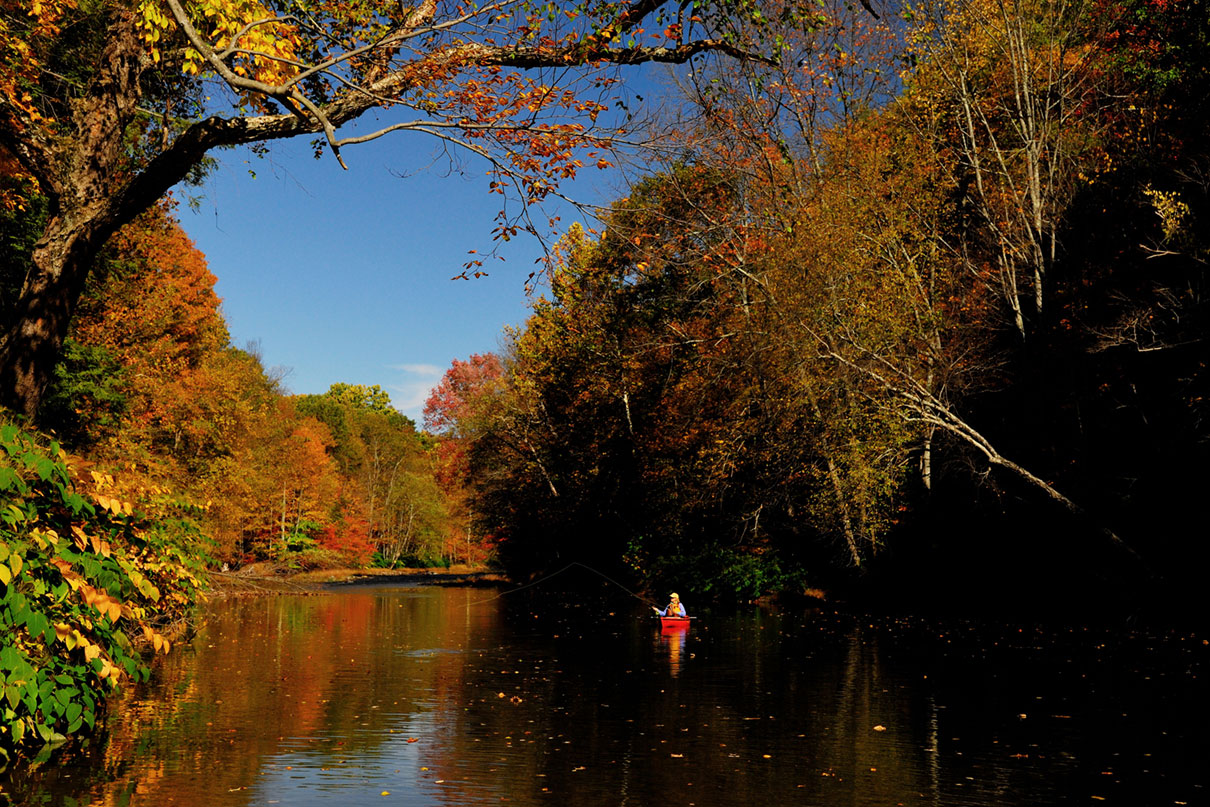
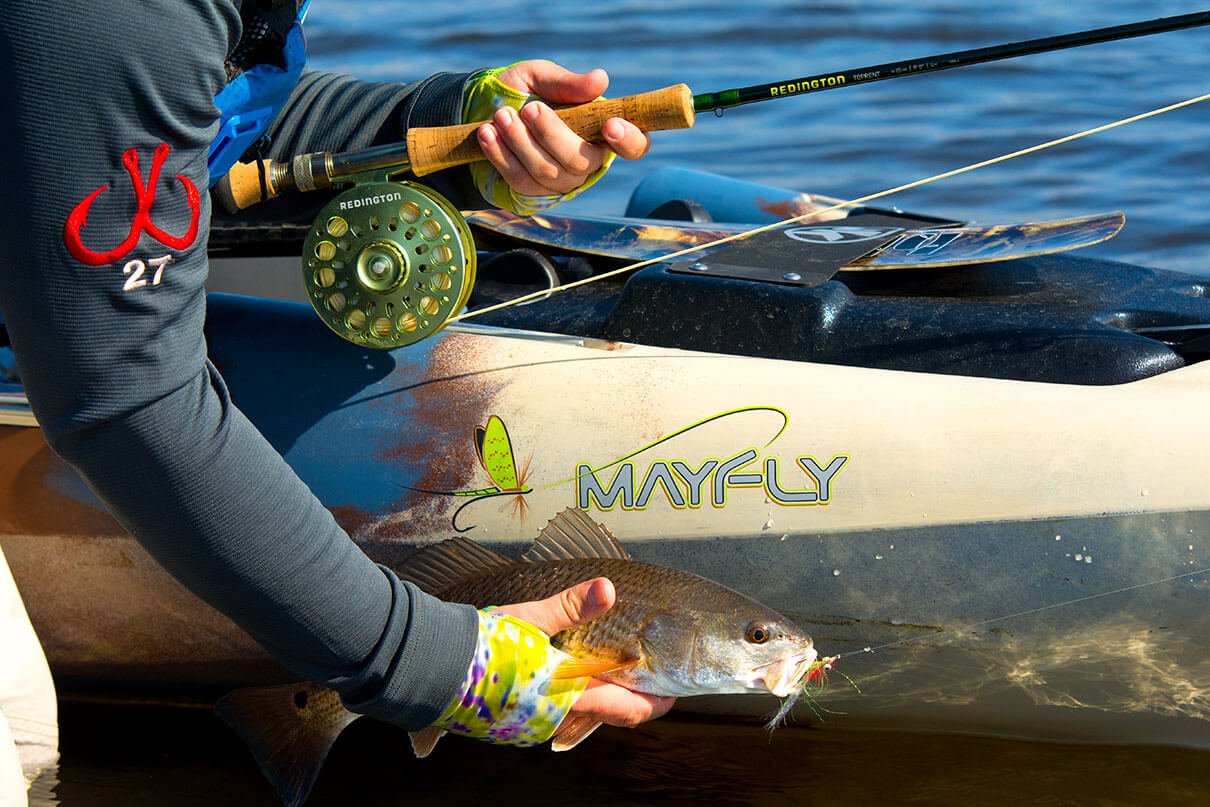
“Growing confidence occurs when I finally realize I know what I’m doing.” –Jeff Jackson | Feature photo: Chris Funk