For pro anglers, fishing lures are not a mass-produced commodity, but rather a personalized extension of their expertise. While a fancy new fishing lure is pretty straight out of the box, a few tweaks can make it even better for the winter. These three professional kayak fishing guides take their lures to the next level to put anglers on the fish of a lifetime.


3 Lure Tweaks for Winter Bites

1 Matching The Hatch

Brandon Jessup // Froggy Waters Outdoors

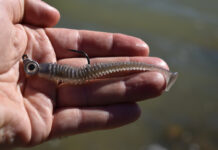
Jessup customizes his lures to look exactly like the bait that local bass love to eat. Jessup uses a Copic airbrush system and Sharpie markers to create the perfect look. He will apply new colors and patterns with the airbrush at home, then use permanent markers to add details that match the day’s bait while he is on the water.

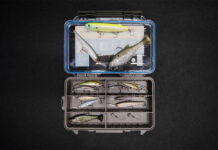
a selection of fishing lures laid out on a surface
Lures come in a wide variety of shapes, sizes and colors—but a few tweaks can help them perform better under winter conditions. | Feature photo: Miranda Bleijenberg/Pixabay

During each fishing trip, Brandon digs under rocks and wades through grass finding baitfish and crayfish that the bass eat. If he doesn’t have a pattern that matches, he modifies his lure on the spot. “I will add a little chartreuse to a shad lure,” he says, “or add purple, yellow or orange to a sunfish pattern.” He even tips crawfish claws with bright orange. “These subtle changes can make a huge difference in tough conditions or on tournament day,” he says.


2 Big Water Bassin’

Chris LeMessurier // Kayak Fishing Great Lakes

LeMessurier loves fishing jigs on the Great Lakes. “I can work a jig fast or slow for many species,” he explains. One of his favorite targets is walleye. “Walleye want a lure that is just right,” LeMessurier insists. He starts with a 3/8- to 5/8-ounce stand-up-style jig with a small swivel and blade molded under the hook.

He buys plain jigs from a local tackle crafter, then assembles and paints the jig for the pattern that meets his needs. “I add chartreuse because the water at the bottom of the lake or river can be cloudy,” he says. His favorite twist is adding a size 3, gold or silver willow-leaf blade to the jig. The finished product has unique flash and vibrations without losing the versatility of a traditional jig.


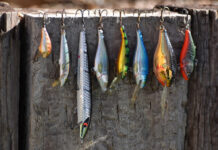
Eric Boyd holds up two fishing lures that have been faded in the sun
Eric Boyd holds up two fishing lures that have been faded in the sun. | Photo: Matthew Frazier

3 Get That Weathered Look

Eric Boyd // Foothills Angler

Most anglers take their lures fishing. North Carolina guide Eric Boyd takes his lures sunbathing. “An old-timer told me to sun-bake my lures to fade the colors,” he says. Boyd explains that baitfish often lose their color in fall and winter. So, in late summer, he spreads Rapala Shad-Raps and Strike King KVD squarebill crankbaits on the dashboard of his truck and lets the sun go to work.

[ Browse the widest selection of boats and gear in the Kayak Angler Buyer’s Guide ]

He says it takes about four days on each side for the lure to reach the perfect color for winter baitfish. “Subtle colors produced fish in tough conditions on my highly pressured home waters,” he says.

This article was first published in the Winter 2015 issue of Kayak Angler Magazine. Subscribe to Kayak Angler Magazine’s print and digital editions, or browse the archives.


Lures come in a wide variety of shapes, sizes and colors—but a few tweaks can help them perform better under winter conditions. | Feature photo: Miranda Bleijenberg/Pixabay
 

Previous articleFishing Favorite? Sit-On-Top Vs. Sit-Inside Kayaks
Next articlePro Tips for Oregon Sturgeon
Kayak Angler editor Ric Burnley has been kayak fishing since the dawn of the sport. In 2007, Burnley wrote The Complete Kayak Fisherman, with chapters on how-to make a PVC rod holder and glue a fish finder transducer to the hull. In 2013, he landed his dream job as editor of Kayak Angler magazine. Burnley is a regular contributor to Salt Water Sportsman, Sport Fishing, Outdoor Life, In the Bite and other print and online publications. Burnley lives in Virginia Beach with his wife, adult daughter, daughter’s boyfriend and daughter’s two cats. Experience In 2004, Ric Burnley stole his first milk crate from behind a 7-Eleven and fashioned it into a gear crate for his Ocean Kayak Prowler 15. Many years and many milk crates later, Burnley has witnessed the rise of kayak fishing from a bastardized fringe element to a legitimate industry with millions of devotees. The journey to becoming an angler started early in Burnley’s life. His father, Eric Burnley, is a renowned outdoor writer and former fishing guide, so the boy grew up in the cockpit of a charter boat and in the pages of national magazines. After college, Burnley lost easy access to his father’s boat, but not his passion for fishing. Once he had exhausted the limits of land-based angling, Burnley decided to try out a new thing called kayak fishing. About the same time, Burnley was looking for extra work to pay for his expensive addiction. His father, editor of the Mid-Atlantic Fisherman Magazine, offered him freelance assignments for the weekly publication. That led to a position as regional editor at Salt Water Sportsman, publication of The Complete Kayak Fisherman and editorship of Kayak Angler. Meanwhile, Burnley and his partner-in-crime, “Kayak Kevin” Whitley were exploring the boundaries of kayak fishing. With the bountiful Chesapeake Bay and Atlantic Ocean as their playground, the two anglers were the first to target big red drum, cobia, trophy striped bass, monster black drum, sheepshead and many other species. Once inshore species were exhausted, Burnley loaded his kayak onto motorboats and fished for bluefin tuna, blackfin tuna, king mackerel and amberjack. All the while, Burnley shared his experiences and knowledge with anglers through print, photos, video, radio, seminars and online. Almost 20 years later, Burnley continues to fish obsessively and share the stories. His recent projects for Kayak Angler cover the latest trends in forward-facing sonar and remote-controlled electric motors. Over the past two decades, kayak fishing and Ric Burnley have come a long way from PVC rod holders and stolen milkcrates. Education ● Radford University: BA English; Virginia Teacher’s License. Highlights ● Other Interests: Mountain biking, traveling, hiking, surfing and skateboarding ● Day Job: High School English teacher at an alternative school for at-risk students Fun Fact Ric’s name is a contraction of Eric. Ric is named after his father, Eric Sr. To differentiate between the two Erics, Mrs. Burnley removed her son’s E. To this day, she writes the boy’s name ‘Ric, with an apostrophe replacing the E.

Leave a Reply