It is often said there are only two guarantees in life: death and taxes. Most people approach each event with the same enthusiasm. But anglers and fishing tackle manufacturers credit the Sport Fishing Restoration and Boating Trust Fund (SFRBTF) for bringing new life to fishing and boating. The fund is up for reauthorization this year, and everyone—from producers to consumers—is onboard with the fishing tackle excise tax.
The One Tax Anglers Love to Pay
Rob Shane, public affairs manager at the American Sportfishing Association (ASA), says, “It’s a unique industry-sponsored tax on ourselves.” Here’s how it works: Fishing equipment manufacturers add the cost of the tax to the product’s bottom line. Fishing equipment, including rod holders, reels, bait buckets and hooks, is taxed at 10 percent. Electric motors pay three percent. Motorboat fuel and imported boats also contribute. Anglers often don’t even realize they are paying the tax when they buy the product.
“We pay it willingly because the money is important to what we love to do,” Shane says.
Money collected from the tax is distributed to state fish and wildlife agencies. State officials award grants to fund access, conservation and education programs that benefit the angling community.
Since Congress created the Trust Fund in 1950, the fund has collected $40 billion. In 2024, the fund distributed $381 million to grant programs. My home state of Virginia collected $5.5 million. Between fishing tackle, electric motors and boat fuel, I probably paid hundreds of dollars into the fund and benefited with a new kayak launch on a nearby creek among other gains.
This year, the Trust Fund is up for reauthorization. Virginia Republican Congressman Rob Wittman and Michigan Democratic Congresswoman Debbie Dingell sponsored the bill’s five-year renewal. Wittman says, “I’m proud to co-lead this bipartisan bill, which supports vital investments in sport fish species and habitat restoration, recreational fishing access and boating infrastructure. This legislation helps ensure the long-term health of our coastal sport fisheries so that future generations can enjoy our public waters and the great American outdoors.”
“This common sense legislation is essential to strengthening environmental stewardship and outdoor recreation programs across the country.”
—Jimmy Panetta, Congressman
Overwhelming support doesn’t mean the fund is perfect. In February, California Congressman Jimmy Panetta (D) introduced the Sporting Goods Excise Tax Modernization Act to close a huge loophole in the SFRBTF. Shane explains: “Currently only domestic manufacturers are subject to the tax on fishing equipment.” He points out that a foreign manufacturer selling fishing rods or bait buckets through an online marketplace doesn’t pay the tax. “They can sell at a lower price than a brick-and-mortar retailer,” he says.
With support of the ASA and other trade organizations, the bill ensures a level playing field.
Representative Panetta says, “This common sense legislation is essential to strengthening environmental stewardship and outdoor recreation programs across the country.”
Even with the Sporting Goods Modernization Act, Shane admits there are still “muddy areas” in the fund. “A portable bait bucket with an aerator is subject to 10-percent tax while an aerator sold separately is taxed three percent,” he points out.
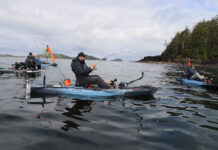
Fishing kayaks are not on the list of taxable items. “Fishing kayaks live in a Venn diagram between fishing equipment and boat, but somehow not covered by the tax,” he says. Shane explains that a kayak angler uses the same access and resources as a boat angler without contributing to the fund. “Other user groups benefit from the fund, too,” he adds.
While there is still work to do, Shane says the SFRBTF shouldn’t face opposition to reauthorization. “The excise tax leads to better fishing, which brings more sales and more tax dollars,” he says.
 This article was first published in the 2025 issue of Kayak Angler Business.
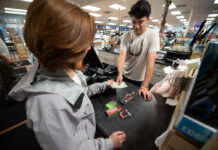
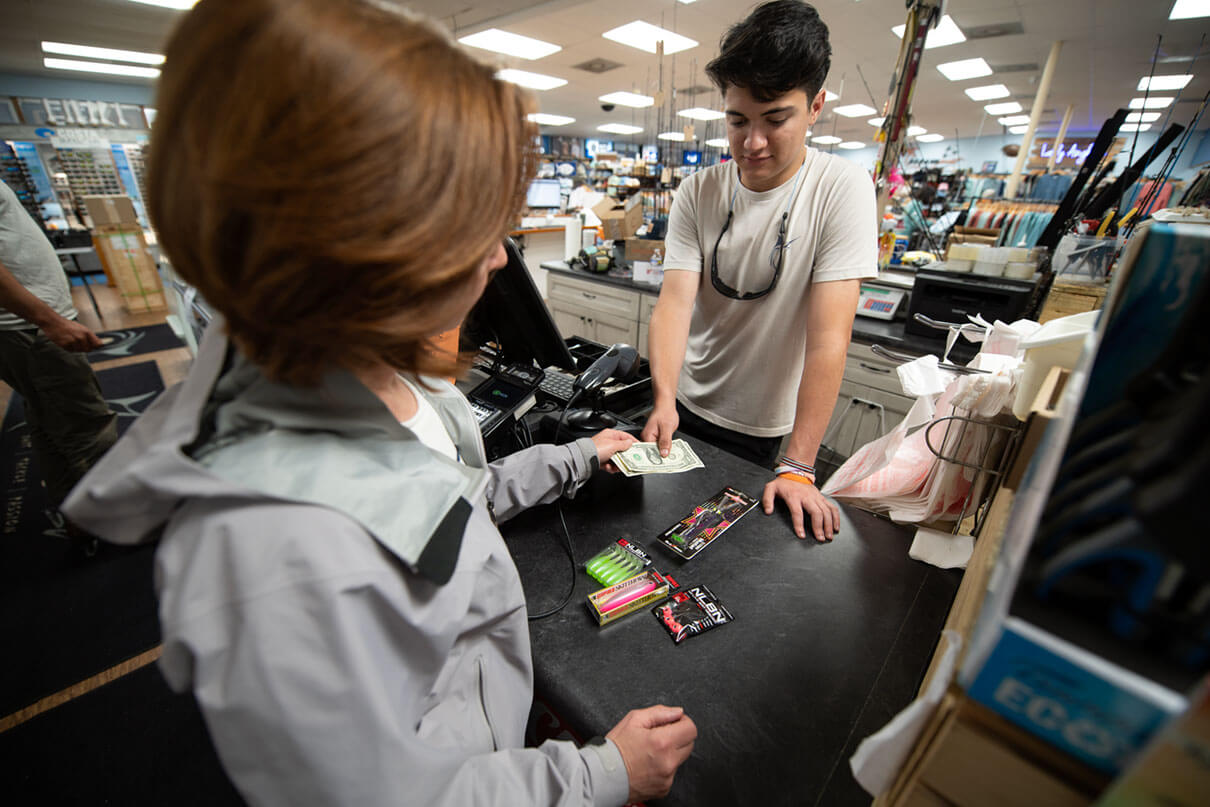
 Ten percent of this purchase funds grants to improve fishing. | Feature photo: Ric Burnley