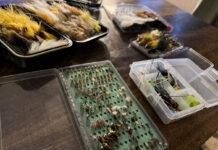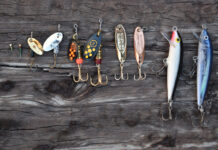
Prince nymph, woolly bugger, marabou muddler, mustard caddis, hippie stomper, rainbow warrior—sometimes I feel like I’m drowning in a tidal wave of flies. For beginner anglers, the endless variety of sizes, shapes, colors and styles is overwhelming. With some simple guidelines, a novice can create a starter fly box to cover a wide variety of species and situations.
Six Tips to Build a Beginner Fly Box
Cut the Crap
First, focus on the area you fish and the species you target. Fishing flies are designed to catch anglers as well as fish. Bright colors, lifelike designs and fancy materials make me want to buy two of every fly on display at the fly shop. When I cut through the flash, fur and feathers, I realize flies fall into a handful of categories appealing to a wide variety of game fish. Common forage for all fish includes baitfish, invertebrates, terrestrials and larger critters like frogs. To get started, a new angler needs a few fly patterns to imitate each type of fish food.
Next, match the fly to the water. Are you fishing moving water or still water? Do you target cold water species like trout, or warm water species like bass and panfish? Ideally, your box and gear is versatile to cover a wide range of settings. It’s important to have a well-rounded selection of flies for a variety of situations.
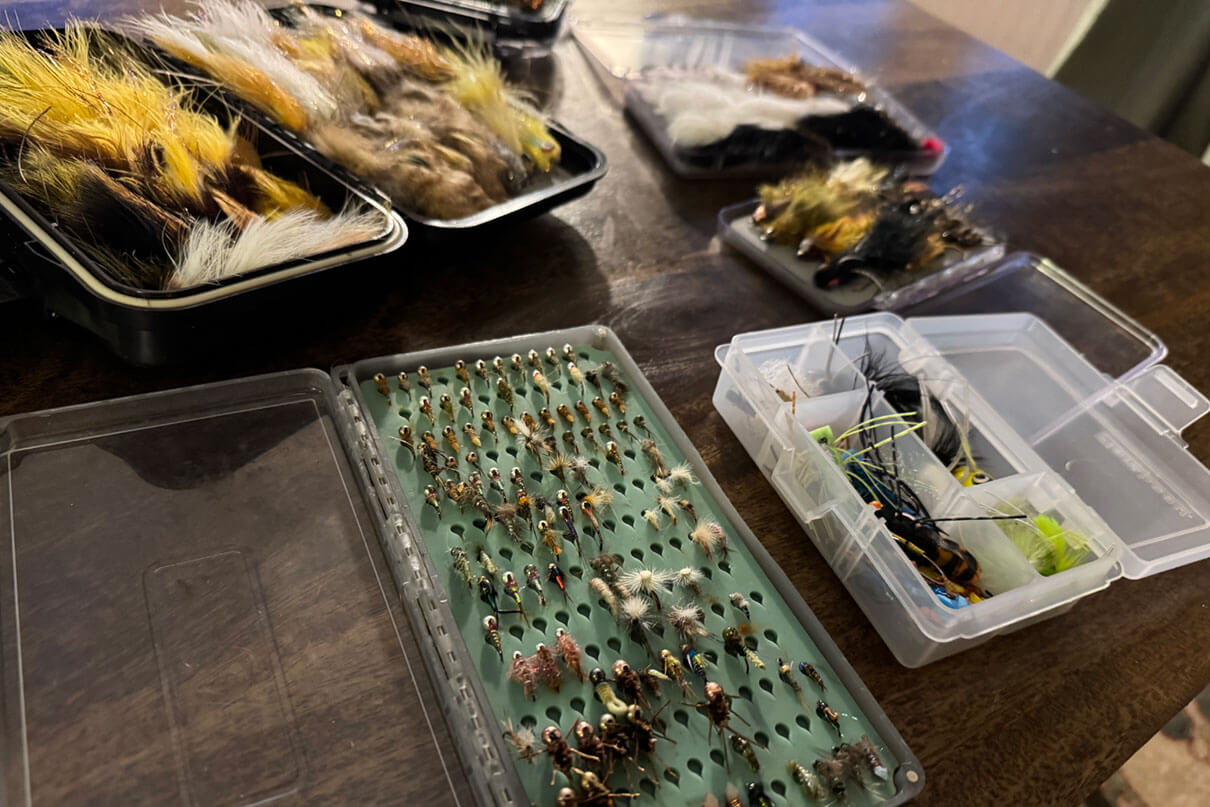
Style Guide
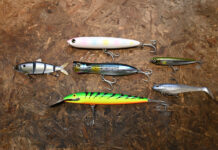
Let’s get into the meat of the matter. Streamer fishing, often referred to as “chucking meat,” is similar to conventional fishing. Streamers are sub-surface flies imitating baitfish. Work a streamer like a jerkbait or soft plastic jig. Streamers vary in size, from small woolly buggers only a few inches long to giant muskie flies over a foot long. White, black and olive are my favorite streamer colors.
Another familiar and effective option is a topwater fly. Popper flies work like a traditional popping plug, creating surface action and drawing fish. It’s hard to beat a popper for warm water bass and panfish. Topwater flies work best in low light, like early morning and late evening, or cloudy days when fish are more likely to hunt on the surface.
Last, round out the fly box with some traditional fly patterns such as nymphs and dry flies. Nymphs are fished slowly along the bottom to imitate insect larvae. Using an indicator makes it easier to detect when a fish bites.
Dry flies imitate insects on the water surface. Many insects start life underwater and then transform to live above the water. During the transition from aquatic to terrestrial, the insect spends a few precarious moments exposed on the surface, unable to fly or swim. Fish take advantage of the vulnerability for a high-protein meal. Dry flies imitate an insect in transition, encouraging a fish to drop its defenses in a feeding frenzy. Learn the patterns of local aquatic insects and keep a selection of matching dry flies to take advantage of a sudden hatch and feeding frenzy.
End Game
No matter how prepared you are, the reality is that fly fishing from a kayak is a unique challenge. It’s easy to overthink it and get frustrated with the little things, but remember to keep it simple. Fly fishing is a process, and the process is the point. A few basic presentations and a good all-around rod setup allows a new angler to learn the ropes.

Bugs on a budget. | Feature photo: Kevin Hughes